Introduction
Every year, hundreds of thousands of students pack their bags and cross borders in search of a degree that won’t bury them in debt before their career even starts. The dream is simple: a high-quality education at a price you can actually afford, in a country that welcomes you with open arms and a manageable cost of living. But turning that dream into a spreadsheet is where things get complicated. What looks cheap on a university website can become surprisingly expensive once you add rent, health insurance, visa renewals and the small everyday expenses that never make it into the brochure.
This article provides a comprehensive comparison of the most affordable countries for international students in 2026, focusing on tuition fees, living costs, and scholarship opportunities. We have built a data-driven ranking that moves beyond average figures and breaks down real-world costs for each destination. You will find detailed cost snapshots, hidden expenses that often derail the tightest budget, and practical strategies to keep your finances under control. Whether you are still exploring options or already narrowing down your shortlist, this evergreen guide is designed to help you make an informed decision without relying on fleeting headlines or promotional hype.
How We Built the Ranking: Methodology and Data Sources
To deliver a comprehensive comparison of the most affordable countries for international students in 2026, focusing on tuition fees, living costs, and scholarship opportunities, we anchored our analysis in three pillars: affordability, transparency and international student support.
We started by collecting publicly available data from national education ministries, official study portals (Study in Germany, Campus France, Education New Zealand and similar government-backed platforms), university fee schedules for undergraduate and graduate programs, and cost-of-living databases such as Numbeo and official student surveys. All figures reflect full-time international students pursuing a standard academic year in 2026, unless otherwise noted.
The total annual cost we calculate for each country combines:
- Average annual tuition fees for international students at public universities (or affordable private alternatives where public options are limited)
- Monthly living expenses (accommodation, food, local transport, utilities and internet)
- Mandatory health insurance and administrative fees
- An estimated annual buffer for academic materials and incidental personal costs
We then ranked the countries based on the minimum realistic annual budget, not the absolute cheapest outlier, because studying abroad on the edge of poverty is neither sustainable nor advisable. Scholarships are treated as a cost-reduction lever rather than a guarantee, so our core ranking shows pre-scholarship figures and we highlight where substantial funding can bring net costs close to zero.
The 8 Most Affordable Study Destinations in 2026: Full Cost Breakdown
Here is the data-driven ranking, ordered from the lowest realistic annual budget to the slightly higher but still budget-friendly options. Each entry includes a monthly living cost estimate and a note on scholarship availability.
- 1: India · $300 – $2,500 · $250 – $400 · $3,500 – $7,500 · ICCR scholarships, institutional waivers
- 2: Mexico · $400 – $3,000 · $350 – $500 · $4,800 – $9,000 · CONACYT, institutional merit awards
- 3: Malaysia · $1,000 – $3,500 · $300 – $450 · $4,800 – $9,400 · Malaysia International Scholarship, university grants
- 4: Poland · $2,000 – $4,000 · $400 – $600 · $7,000 – $11,200 · NAWA scholarships, Polish National Agency programs
- 5: South Africa · $2,500 – $4,500 · $400 – $550 · $7,500 – $11,100 · NRF grants, Mandela Rhodes Foundation
- 6: Germany · $150 – $300 (semester contribution) · $700 – $950 · $8,700 – $11,700 · DAAD, Deutschlandstipendium, Erasmus+
- 7: France · $2,800 – $3,800 (public univ.) · $750 – $1,000 · $11,800 – $15,800 · Eiffel Excellence, regional grants, CROUS housing aid
- 8: Norway · $0 – $500 (semester fee only) · $1,000 – $1,400 · $12,000 – $17,300 · Quota Scheme (limited countries), institutional stipends
All figures are in USD and represent a single student’s conservative budget in a medium-cost city. Living costs rise significantly in capitals.
Country Profiles: Tuition, Living Expenses and Scholarship Opportunities
India
India has long been a destination for students from Asia and Africa, and its appeal is growing globally. Public universities and affiliated colleges charge extremely low fees, sometimes under $1,000 per year for entire degree programs. Private institutions and professional courses in engineering or management can push annual tuition up to $2,500–$5,000, yet this remains a fraction of Western costs. Monthly living expenses rarely exceed $400 outside Mumbai or Bangalore, with shared accommodation available for as little as $80–$150 per month. The Indian Council for Cultural Relations (ICCR) offers fully funded scholarships to students from select countries, covering tuition, living stipend and airfare. Hidden costs to watch: air conditioning (essential in many regions), power backup during frequent outages, and the temptation to travel domestically on weekends.
Mexico
Public universities in Mexico, such as UNAM, charge international students only nominal tuition, often below $1,000 annually, while affordable private options exist in the $2,000–$3,000 range. Living costs are extremely competitive: a student can live comfortably on $400–$500 per month in cities like Puebla, Querétaro or Mérida, and even Mexico City is manageable with shared housing. Government-backed CONACYT scholarships target international graduate students in science and technology, and many universities offer automatic merit discounts. The main hidden expense for non-Spanish speakers is the cost of intensive language courses before starting the degree, which can add $1,000–$2,500 to the first year’s budget. Health insurance is mandatory and usually available through the national IMSS system at a low monthly rate.
Malaysia
Malaysia positions itself as an education hub with branch campuses of Australian and British universities, yet its homegrown public universities offer excellent value. Annual tuition at public institutions averages $1,500–$3,500, while living costs remain low: $300–$450 per month covers shared off-campus housing, inexpensive street food and efficient public transport in Kuala Lumpur or Penang. The Malaysia International Scholarship (MIS) provides full funding for graduate students, and many universities waive up to 50% of tuition for high-achieving undergraduates. Often overlooked costs include visa endorsements each year and mandatory medical screening. Also, while Malaysia is affordable, its currency fluctuations against the USD or Euro can shift monthly budgets by 5–10%.
Poland
Poland has become one of Europe’s most attractive budget destinations. Public universities charge $2,000–$4,000 per year for most English-taught bachelor’s and master’s programs, and living costs in cities like Wrocław, Łódź or Poznań run at $400–$600 per month. Warsaw and Kraków lean toward the higher end. The Polish National Agency for Academic Exchange (NAWA) runs multiple scholarship programs, and many students also access Erasmus+ funding during exchanges. Real-world budgeting must include winter clothing and heating bills that spike from November to February, plus the cost of a temporary residence card renewal every one to two years. Despite these extras, the overall package remains hard to beat in the EU.
South Africa
South Africa offers high-quality university education at internationally competitive price points. Tuition at top public universities like the University of Cape Town or University of the Witwatersrand ranges from $2,500 to $4,500 per year for most undergraduate programs. Monthly living costs average $400–$550, with shared accommodation and self-catering keeping expenses low. Scholarship support comes from the National Research Foundation (NRF), the Mandela Rhodes Foundation, and university-specific schemes. The hidden costs that catch students off-guard include private health insurance that meets study visa requirements (sometimes pricier than expected), reliable private transport if staying outside safe walking zones in certain cities, and the need for a laptop with good battery life to cope with intermittent electricity supply.
Germany
Germany remains the gold standard for essentially free higher education, but living costs prevent it from topping the absolute cheapest table. Public universities in most states charge no tuition, only a semester contribution of $150–$300 that includes a public transport pass. The real budget driver is living expenses: $700–$950 per month is a realistic range for a student in Berlin, Leipzig or smaller cities, while Munich and Frankfurt push closer to $1,200. The DAAD scholarship database lists hundreds of opportunities that can cover living costs, and non-EU students are allowed to work 140 full days or 280 half days per year. The most common hidden cost is the blocked account requirement (currently around $12,000 for the first year), which ties up cash before you arrive, and the fact that semester contributions must be paid upfront even when tuition is zero.
France
France offers a differentiated cost structure: public universities charge international students $2,800 per year for a bachelor’s and $3,800 for a master’s, which is still far below the global average. Living expenses in cities like Lyon, Nantes or Grenoble run at $750–$900 per month, while Paris can easily double the accommodation portion. The Eiffel Excellence Scholarship covers full tuition and a monthly stipend for top international students, and regional councils often provide housing subsidies through the CROUS system. Hidden expenses include the contribution to student social security (now included in the registration fee but check for changes in 2026), private top-up health insurance (mutuelle), and the reality that the cheapest accommodation—CROUS residences—has long waiting lists, forcing many newcomers into the private rental market for at least the first semester.
Norway
Norwegian public universities charge no tuition for all students, including internationals, with only a semester fee of $50–$500 that grants access to student services and health coverage. However, the Nordic cost of living pushes the annual total to the higher end of our ranking: $1,000–$1,400 per month is standard even with careful budgeting. Oslo, Bergen and Trondheim are all expensive. Scholarships for non-EU students are limited, though some institutions offer stipends and the Norwegian government operates a Quota Scheme for certain developing countries. The largest hidden shock comes from the documentation required for the student permit: you must show proof of funds sufficient to cover living expenses for the entire first year (around $15,000). This upfront liquidity barrier can deter students who could otherwise afford the monthly flow. On the plus side, part-time work is easily available and income can substantially offset costs after arrival.
Hidden Costs That Derail Student Budgets
When international students build their financial plan, tuition and rent dominate the spreadsheet. But experienced students know that a collection of smaller, often invisible expenses can add 15–30% to the annual total if left unplanned. Understanding these lets you build an honest budget from day one.
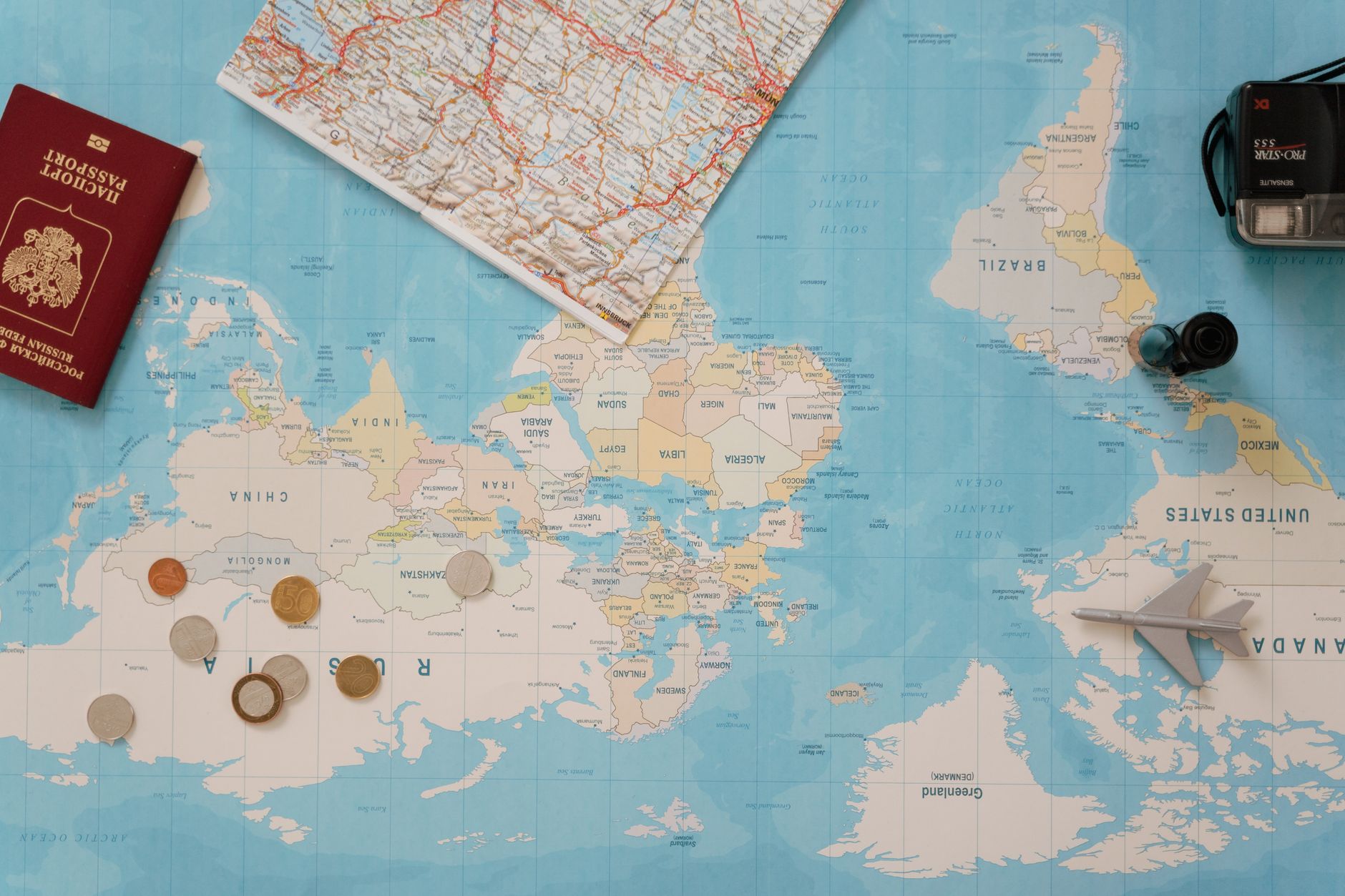
First, visa and residence permit fees are recurring line items. A one-year student visa might cost $100–$500, but renewing it each year (and sometimes the associated medical checks or biometrics) creates a predictable drain. Second, health insurance is mandatory everywhere, but the coverage gap varies: some countries require you to purchase a local plan on arrival even if you hold a travel policy, and the cost can range from $200 to over $1,000 per year. Read the fine print before you pack.
Third, academic materials and administrative charges hide in plain sight. Lab fees, library access cards, graduation processing and transcript requests can collectively exceed $300–$500 per year. Fourth, exchange rate volatility and international bank transfer fees nibble at your balance every time money moves. A 5% swing in the local currency against your home currency can wipe out a month’s food budget. Fifth, everyday practicalities like winter clothing for cold-climate countries, local SIM plans, laptop repairs, or emergency trips home due to family situations are rarely budgeted but almost always occur at least once during a degree.
Finally, opportunity cost is the biggest hidden expense of all. Many students underestimate how long it takes to settle in and find part-time work. Budgeting for the first three months without any local income is a rule of thumb that saves you from relying on high-interest credit.
Smart Budgeting Strategies That Keep Savings Intact
A data-driven ranking gives you the map; smart budgeting keeps you on the road. Here are actionable tactics that have proven effective across the destinations in our comparison.
Open a local bank account immediately. Avoid foreign transaction fees and get access to local digital payment systems, which often offer student-friendly perks. In countries like Germany and France, a local account is also required for scholarship disbursements and rental deposits.
Exploit student status relentlessly. In most affordable countries, universities negotiate discounts for public transport, cultural venues, software licenses and even grocery stores. A semester transport pass can save $40–$80 per month compared to monthly tickets, and student meal plans at campus canteens cut food costs by 30–50%.
House sharing is non-negotiable. Living alone is a luxury budget travelers cannot afford. A shared apartment in a student-dense neighborhood often halves rent and splits utility and internet bills. Use official university housing platforms or verified student groups rather than generic listing sites to avoid scams.
Build a two-speed budget. Your budget should distinguish between fixed costs (tuition, insurance, rent) and flexible costs (food, entertainment, travel). Track flexible spending weekly: a simple spreadsheet or budgeting app will reveal where small leaks—daily coffee, ride-hailing surcharges—are adding up. Reallocating $2 per day can create a $730 annual buffer.
Apply for scholarships as a part-time job. Set aside three hours every weekend to search for and tailor applications to smaller, lesser-known grants. Hundreds of niche scholarships go unawarded each year simply because nobody applied. Regional foundations, expatriate associations, and department-specific awards often offer $500–$3,000 with lighter competition than flagship national programs.
Plan meals around local ingredients. Eating like a local is not only culturally immersive but also the single most effective way to slash food costs. In India, Malaysia and Mexico, nutritious street food and market produce are cheaper than cooking from imported supermarket goods. In Europe, discount supermarket chains and seasonal farmers’ markets deliver the same effect.
Secure part-time work early, but legally. Understand your student visa work rights before you land. In Germany, free career counseling at the university helps you find research assistant or HiWi jobs that align with your field. In Norway and France, casual work in hospitality or retail is accessible and gives you both income and language practice. Having a job lined up for the second semester removes the most stressful financial pinch point.
Frequently Asked Questions
Which country is truly the cheapest for international students in 2026?
India often comes out at the top when you combine minimal tuition at public institutions and ultra-low living costs. However, “cheapest” depends on your study field and lifestyle. A student in urban India can live on $3,500–$5,000 per year, while the same degree in Mexico or Malaysia might cost $4,000–$6,000 annually. The best approach is to match the total cost with the quality of your specific program and scholarship eligibility.
Can I study abroad for free as an international student?
Several countries allow you to study with little to no tuition. Norway and Germany charge only semester fees, and scholarship programs such as DAAD or the French Eiffel scheme can bring your total cost close to zero. However, living costs remain your responsibility. In countries where tuition is free, you must still prove you have enough funds to cover rent, food and insurance before you receive your student visa.
How much should I budget for hidden expenses?
A safe rule is to add an extra 20% on top of your sum of tuition and living costs. This covers visa renewals, mandatory health insurance top-ups, semester administration fees, winter clothing, emergency travel and currency fluctuations. For a program with an advertised annual cost of $10,000, aim to have $12,000 available.
Are there affordable English-taught programs in these budget countries?
Yes. Malaysia, Poland, Germany, and South Africa offer significant numbers of English-taught bachelor’s and master’s programs at public universities. India and Mexico have growing English-medium options, though choice may be narrower than in Western destinations. Start your search on official portals like DAAD (Germany), Study in Poland, or Education Malaysia, which let you filter by language.
Do part-time work opportunities match the low living costs?
Student visa regulations in most countries on this list allow 20 hours of work per week during semester, and full-time during breaks. In Germany and Norway, campus research roles pay well enough to cover a large portion of living expenses. In India and Mexico, local wages are lower, but low living costs mean even a modest income goes a long way. Never rely on predicted part-time income to meet visa fund requirements; treat it as a safety net, not a pillar of your main budget.
Conclusion
Choosing where to study is one of the most consequential financial decisions a student makes, and price tags alone never tell the full story. In this guide, we provided a comprehensive comparison of the most affordable countries for international students in 2026, focusing on tuition fees, living costs, and scholarship opportunities. The data-driven ranking shows that a world-class degree can be obtained for a fraction of the standard Western price—if you look beyond the usual destinations and plan for the real costs of day-to-day life.
From the ultra-low tuition and vibrant culture of India and Mexico to the nearly free public universities of Germany and Norway, the options are far more varied than most students assume. The key is to build a budget that accounts not just for rent and fees, but for the visa renewals, seasonal clothing, health insurance gaps and currency swings that determine whether a degree abroad is financially sustainable. Pair that honest budget with a proactive scholarship strategy and the cost-saving habits outlined above, and you will move from worried calculations to confident decisions. Your quality education does not have to come with a lifetime of debt—it just needs a smarter plan.